Living in Squalor
Welcome back to the kARTwe Kronicles. This blog is designed to give you bite-size and timely updates on the development and evolution of the kARTwe Project. If you are new to this blog, please check out my introduction to and explanation of the objectives and context of the kARTwe Project HERE
In this edition of the kARTwe Kronicles I will explore the effects of living in squalor. Living in an environment of filth has a measurable impact on Health, Physical Wellbeing and Mental health.
Since its heyday, Katwe has become an incubation chamber for crime, disease, and poverty. Politicians and community leaders have blamed the high crime rate on high unemployment and rampant use of recreational drugs. It is also home to an untold number of street children. The environment is a symphony of filth. It is the cauldron of stagnant water and randomly discarded detritus of every day human existence, in the absence of running water or a sewerage system.
Lasting solutions to the problem remain elusive. The residential areas of Katwe have disintegrated into being a slum of appalling magnitude. The squalor and stench in Katwe are characteristic of any informal settlement across the world. The residents become accustomed to it by force of habit. However, the negative effects of this environment, though invisible, are physical, emotional, and mental.
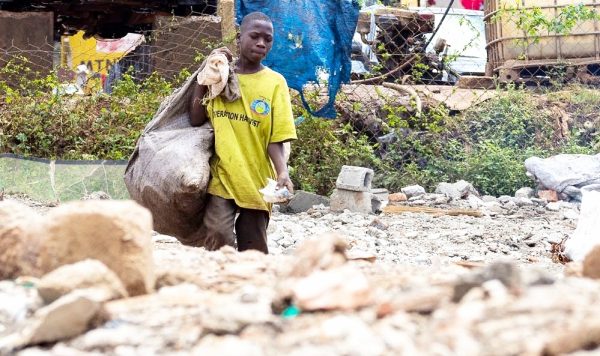

Health Effects of Living in Squalor
Living in squalor is the breeding ground for the “Filth Diseases”. The phrase “Filth Diseases” was coined in 1858, by British physician Charles Murchison, to describe a class of conditions, mostly caused by infectious pathogens, that were associated with squalid living conditions.
The overcrowded, unsanitary, and vermin-infested dwellings were all too numerous in urban areas in the nineteenth century. It was an evocative phrase, popular with social reformers and pioneers of the Public Health movement and the Sanitary Revolution.
It was not so much pejorative as accusatory, attributing blame for these diseases to the living conditions rather than to the people forced to live that way. Its use was a political lever that moved public opinion in favour of reforming the conditions that led to so much disease, disability, and premature death.
The filth diseases, potentially present in Katwe, include:
- Infections of the gastrointestinal and respiratory tracts
- Diarrhoea and dysentery
- Typhoid
- Croup
- Bronchitis
- Pneumonia
- Tuberculosis
- Skin diseases such as scabies and ringworm
Conditions associated with verminous bedding and clothing, such as:
- Louse-borne typhus,
- Bubonic plague, long associated with rat-infested dwellings, was another filth disease, though fortunately its visitations were uncommon.
- Mental and Emotional Effects of Living in Squalor
- Squalor destroys self-esteem.
- It stops us from enjoying our homes.
- It stands between us and our dreams.
Living in filth has a deep and lasting effect on our health.
The corollary to the issues mentioned above must be that if the squalor and depressing environment in Katwe were reduced, the results would be seen in the physical, mental, and emotional health of the community.
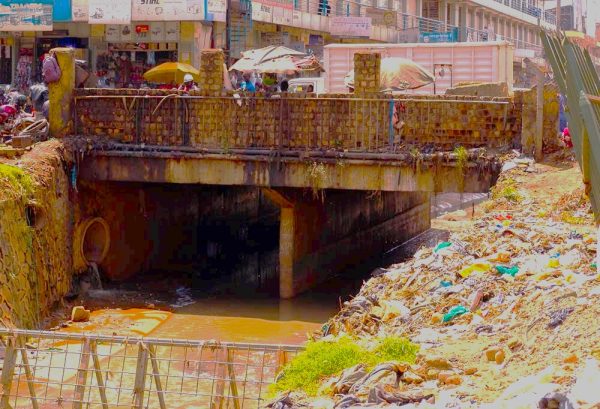
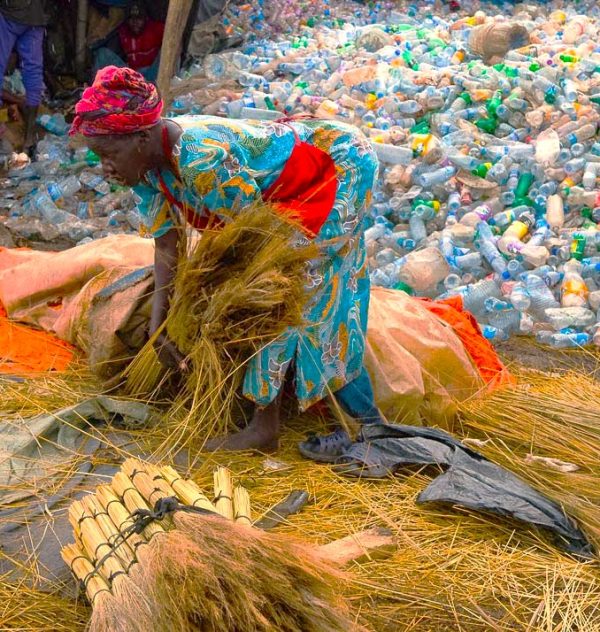
Health Effects of Living in Squalor
The expected results of living in a clean environment would be:
- Fewer instances of water-borne disease
- Fewer instances of vermin and insect-borne diseases
- Fewer injuries such as cuts (and related infection of wounds) from broken glass, sharp metal objects and discarded tins etc
- A more positive emotional mental and emotional attitude. It is expected that this will promote entrepreneurship and creativity.
- Mitigation of “Filth Diseases”
Mental and Emotional Effects of Living in Squalor:
Substantial research has been carried out on the mental and emotional effects of living in squalor. The findings of these research project confirm that the following mental and emotional repercussions of living in filth include:
- Squalor destroys self-esteem.
- It stops us from enjoying our homes.
- It stands between us and our dreams.
- It affects our health.
Physical Effects of Living in Squalor
Stagnant water is a breeding ground for all manner of diseases. These will include cholera and malaria. Discarded and rotting food is the welcome mat for disease-bearing vermin and insects. Broken bottles, discarded tin cans, pieces of metal, and other detritus are hazardous to adults, but especially to children who may or may not wear shoes.
The kARTwe Project creates clean environments around each mural. It has been noted that the residents of Katwe take pride in the mural spaces. They keep the areas around each piece of street art clean. The kARTwe Project is making a tangible effect on the fight against living in filth. In so doing, it is contributing to mitigating the Health, Physical, Mental and Emotional impact of living in squalor.
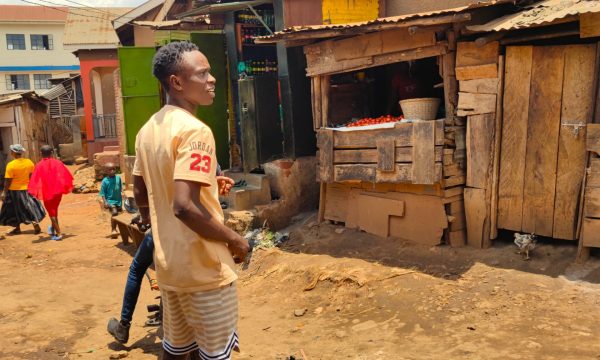
One person cannot change the world
but YOU can change the world for one person.